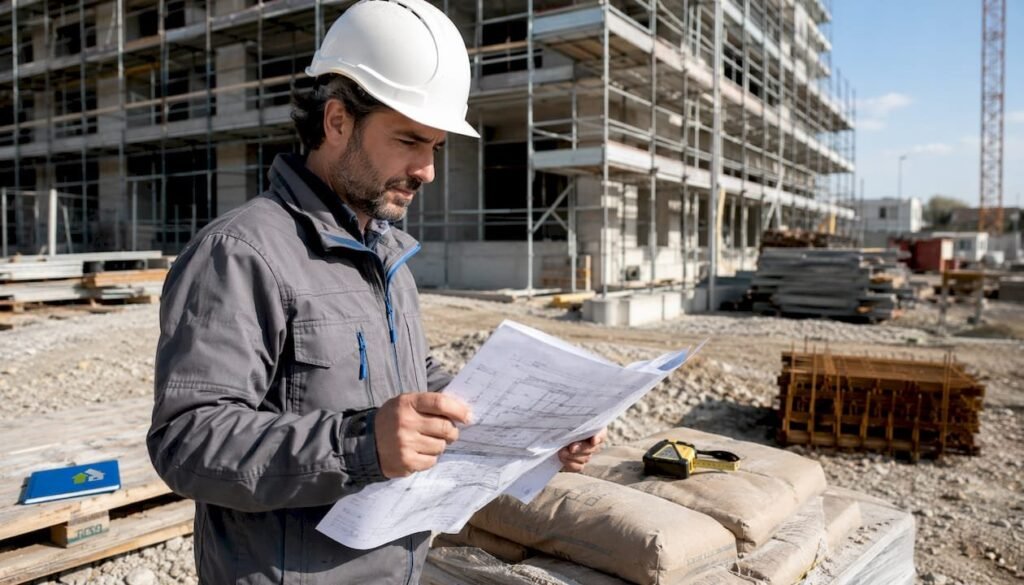
Construction site management software: how to choose the right solution in 2026
Managing a construction site has become increasingly complex. Schedules, costs, documents, collaborators, communications, safety, and sustainability now require digital tools capable of simplifying contractors’ daily work.
Many companies still use several software programs at the same time: one for document management, one for accounting, one for internal communications, and numerous external tools to coordinate collaborators and operational activities. This fragmentation often leads to wasted time, more errors, and less visibility into the actual progress of projects.
For this reason, the construction industry is moving toward increasingly integrated platforms designed to centralize information, processes, and people within a single digital ecosystem.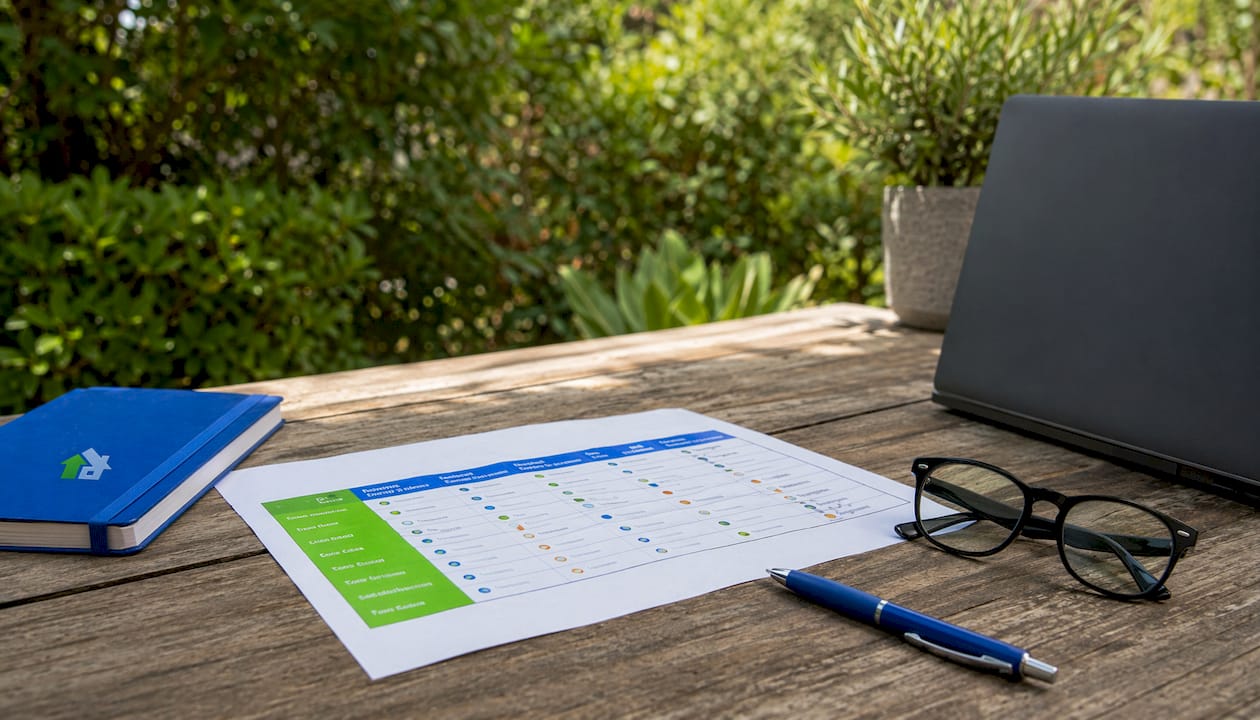
What should construction site management software do?
Before comparing the different solutions available on the market, it is important to ask what your company’s actual needs are.
Modern construction site management software should allow you to:
-
monitor work progress in real time;
-
organize activities, phases, and collaborators;
-
centralize documents and communications;
-
simplify information sharing between the office and the construction site;
-
manage authorizations, roles, and permissions;
-
work on the go through dedicated applications;
-
reduce the time spent on administrative activities;
-
encourage collaboration among everyone involved in the project.
Digitizing a construction site is not simply about replacing paper and Excel spreadsheets, but about creating more efficient, straightforward, and shared processes.
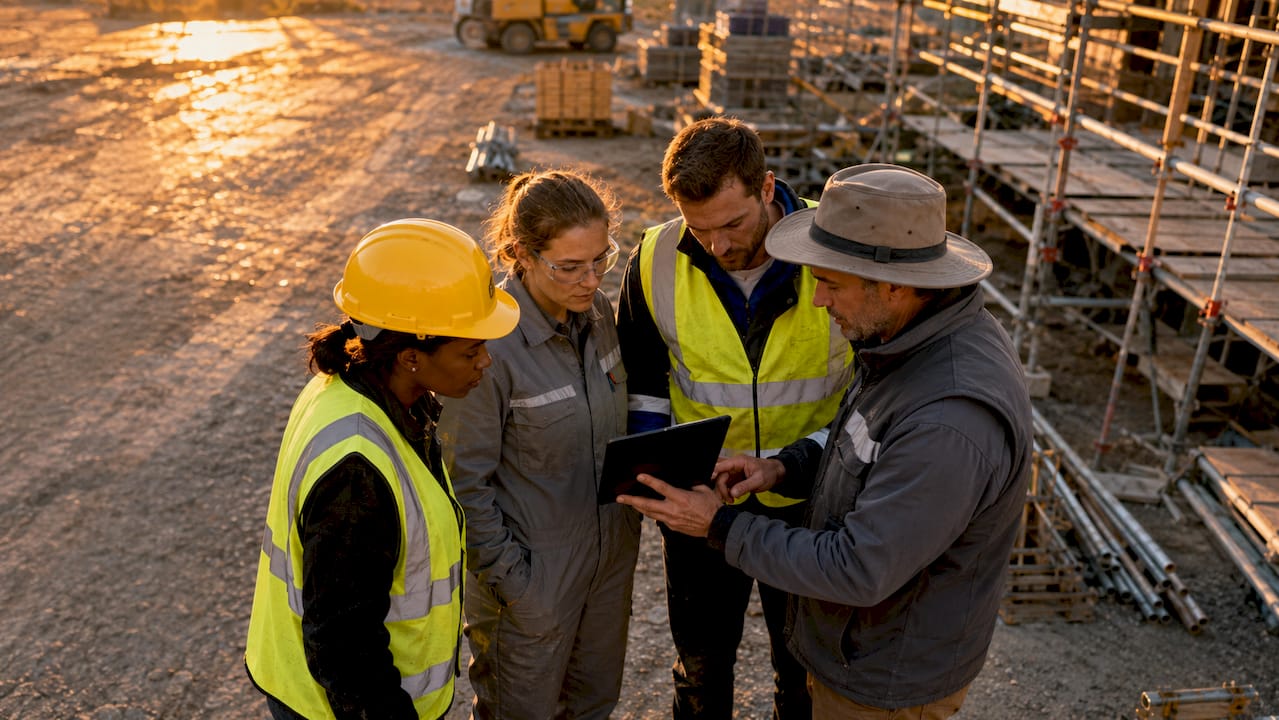
Why the future is about more than management software
The industry’s evolution is leading to the emergence of a new concept: the Construction Operating System.
A Construction Operating System (COS) does not merely manage a project or contract, but represents the company’s digital operating environment.
The goal is simple: to enable companies, collaborators, and construction sites to work within the same digital ecosystem, eliminating process fragmentation.
In this vision, construction site management is no longer an isolated function, but becomes part of a much broader system involving people, activities, documents, and professional relationships.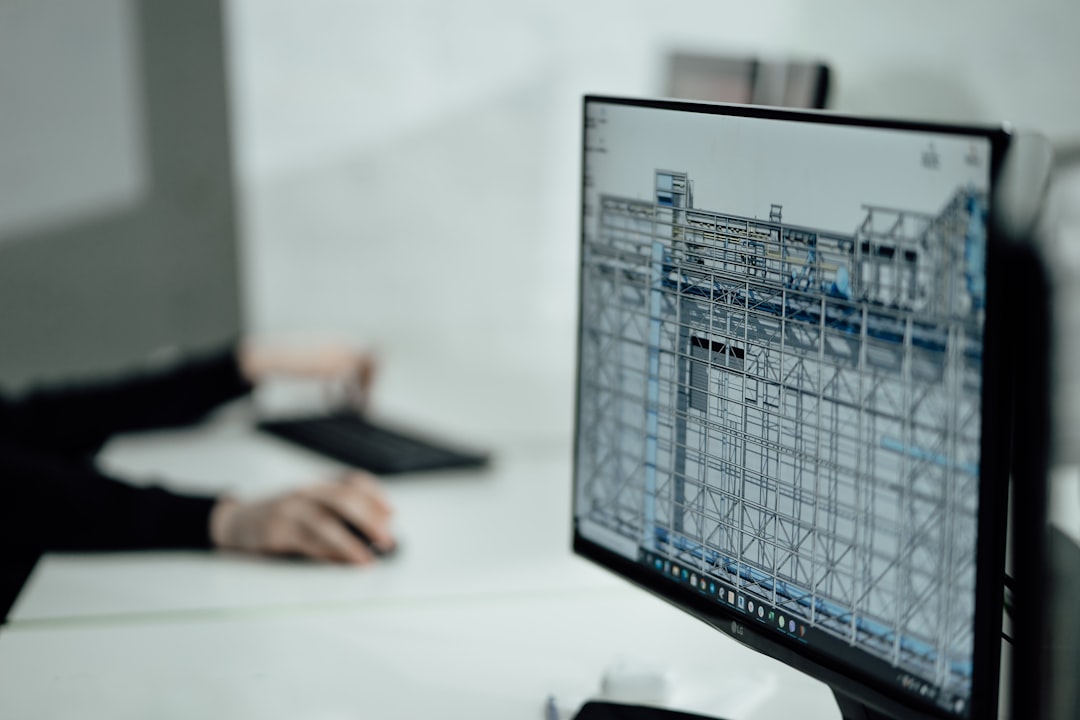


Edil-Up: a Construction Operating System for the construction industry
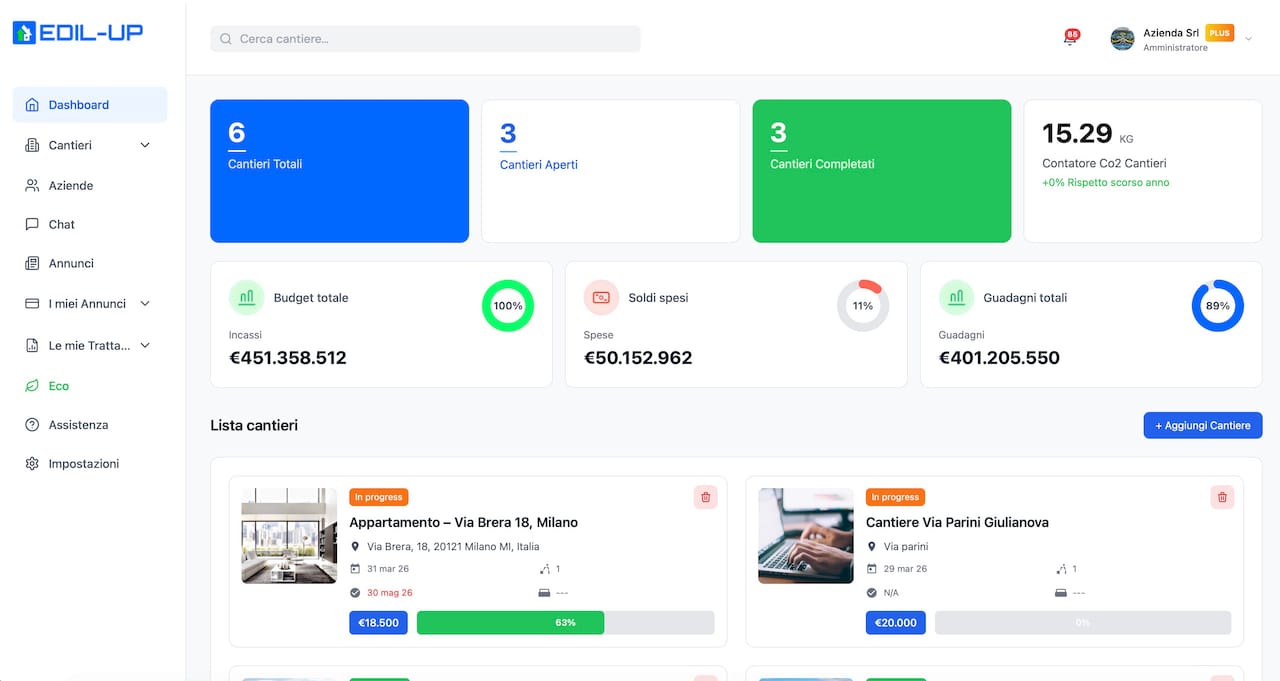
Edil-Up was created to simplify contractors’ operational management through a single, intuitive, and accessible platform.
More than traditional management software, Edil-Up is a Construction Operating System designed to support companies in digitizing their day-to-day processes.
The platform allows you to:
-
manage construction sites and work phases;
-
organize collaborators, roles, and permissions;
-
centralize documents and communications;
-
monitor the operational progress of projects;
-
use digital badges to manage attendance;
-
publish and search for job postings in the industry;
-
create professional relationships between companies and collaborators;
-
work through a mobile application and web platform;
-
monitor the environmental savings generated by digitizing business processes.
One of Edil-Up’s distinctive features is precisely its integration of different operational needs that are normally spread across separate tools.
The goal is not to add another software program to the company, but to reduce operational complexity through a single platform.
Sustainability and digitalization
Sustainability is one of the construction industry’s main challenges for the coming years.
Digitizing processes can reduce waste, improve work organization, and optimize information management on construction sites.
Edil-Up includes tools for monitoring the environmental savings generated by project digitalization and supports reforestation initiatives linked to active platform subscriptions.
Sustainability is therefore not considered a separate element, but an integral part of companies’ digital evolution.
How to choose the solution that best suits your company
There is no single solution that is universally best for every company.
Before choosing construction site management software, it is advisable to evaluate:
-
the size of the company;
-
the average number of construction sites managed;
-
the current level of digitalization;
-
the integrations required with other business tools;
-
the platform’s ease of use;
-
the ability to work on the go;
-
the software’s ability to evolve alongside the company’s needs.
The most important consideration, however, is just one: choose tools capable of simplifying the daily work of the people who will use them.
The future of construction site management
The future of construction will increasingly focus on integrated platforms capable of combining operational management, collaboration, sustainability, and technological innovation.
Companies will not simply need software, but digital ecosystems capable of supporting their growth and the evolution of their business processes.
Construction site management will represent only one part of this transformation.
Edil-Up was created with precisely this vision: to build a Construction Operating System designed to connect companies, people, and construction sites within a single digital environment, making simpler what is still complex today.
sembri.
Shorter delivery times and automatic calculation of environmental savings are measurable benefits, not generic promises. For companies participating in tenders with ESG criteria or seeking to stand out in the market, these figures become concrete arguments. Discover the plans available on Edil-up and assess which one suits the size and ambitions of your company.